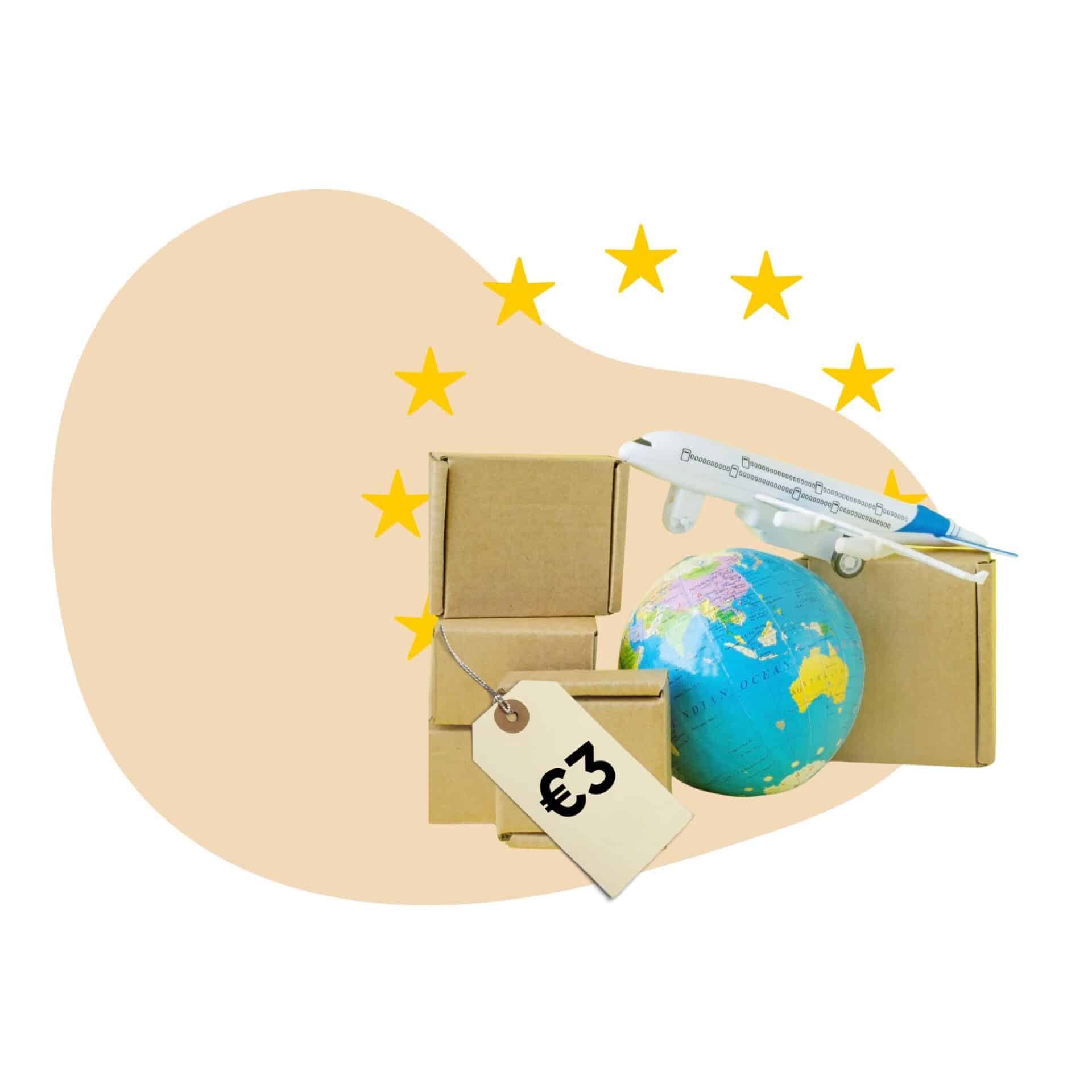
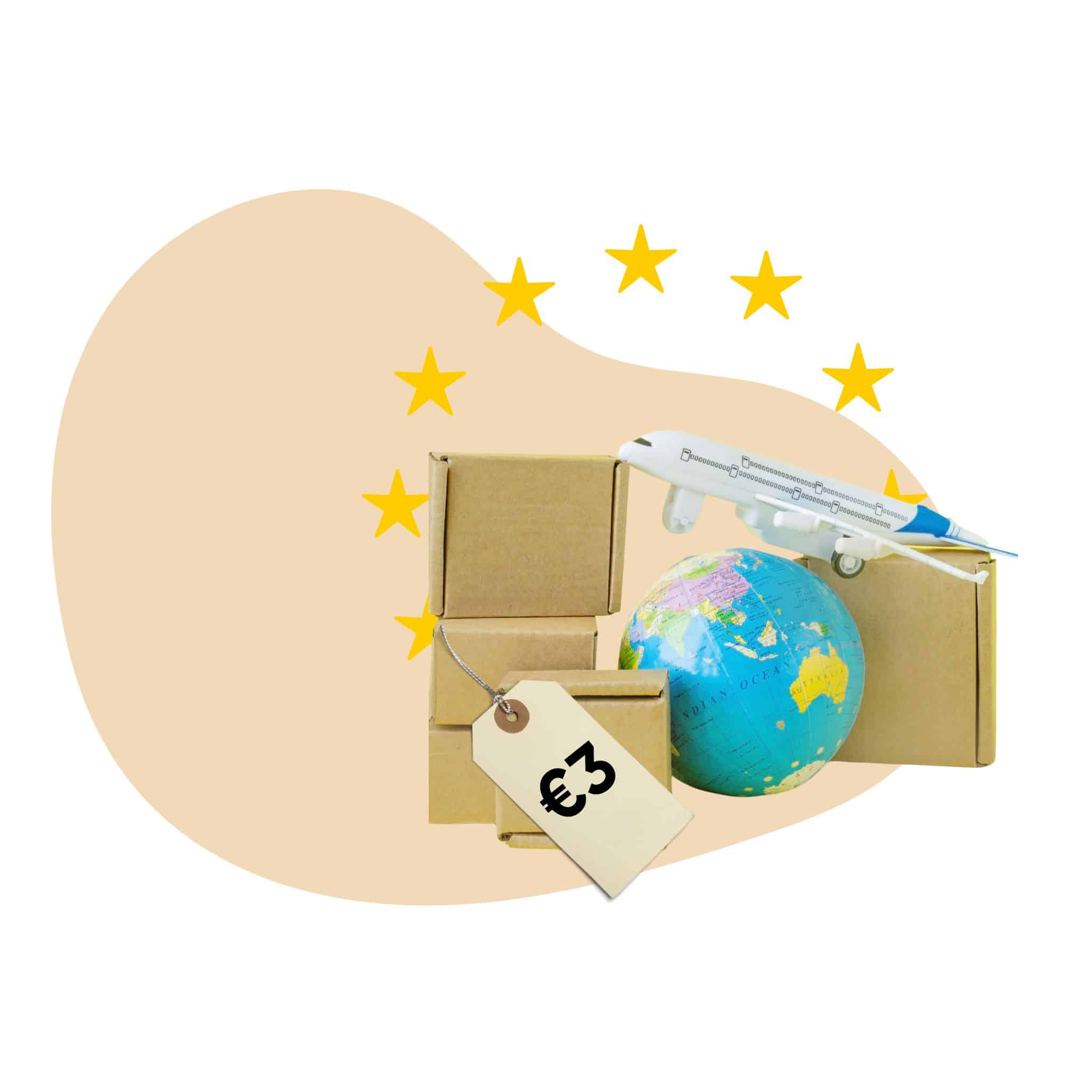
As from 1 July 2026, the European Union will introduce a temporary €3 customs duty on low-value consignments imported from outside the EU which will apply to goods valued at €150 or less. This is replacing the existing customs duty exemption that ends on 30 June 2026. The measure will remain in place until 1 July 2028, after which the EU will apply the standard customs duties based on the type of goods imported.
Why Is the EU Introducing This Measure?
The EU has introduced this measure as part of its wider Customs Reform to modernise customs procedures, strengthen consumer protection, and promote fair competition across the Single Market. The European Commission believes the previous exemption no longer reflects today’s e-commerce environment. In 2025, consumers in the EU received almost 5.9 billion low-value items directly from non-EU countries without paying customs duties. Since customs authorities now process electronic data for all imported goods, the Commission considers the exemption unnecessary.
Strengthening Product Safety
The reform also aims to improve product safety. During inspections carried out across the EU in 2025, authorities found that more than 60% of sampled products—including cosmetics, toys, electronics, food supplements, and personal protective equipment (PPE)—failed to meet EU safety or labeling requirements. By removing the exemption, the EU intends to create a level playing field for businesses while improving oversight of imported products.
New Guidance and Product Identifiers
To help businesses prepare, the European Commission has published guidance explaining the new rules introduced under Council Regulation (EU) 2026/382. The reform also introduces Product Identifiers (PIDs), which businesses can voluntarily declare from 1 July 2026, before they become mandatory on 1 November 2026. These identifiers will improve product traceability and help customs authorities identify unsafe or non-compliant goods more efficiently.
What Businesses Should Do Next
Businesses that import goods into the EU should review their customs procedures, assess the impact of the new duty on their costs, and prepare their systems for the upcoming reporting requirements before the new rules take effect. Take action now to help ensure compliance and minimise disruption when the new customs rules come into force.