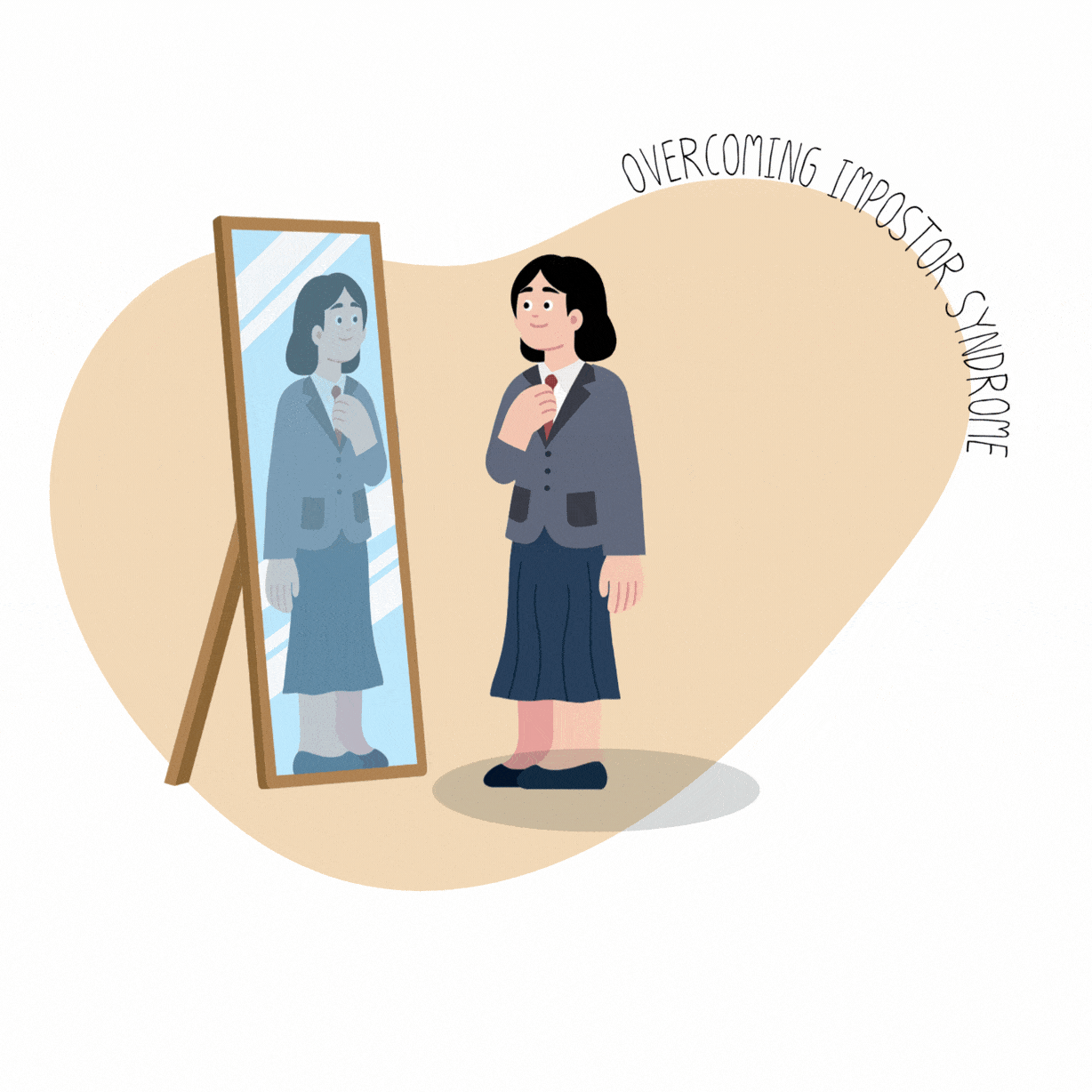
Maybe you have been promoted, started a new project, or made it into a competition, but then wondered if you really deserved it. Instead of celebrating, you found yourself doubting your abilities. If this feels familiar, you’re not the only one. Many high achievers experience impostor syndrome. It makes you feel like you do not belong or have not really earned your success, even when there’s proof you’re capable. Self-doubt, perfectionism, fear of failure, and comparing yourself to others can intensify these feelings and affect your work, sports, and other parts of your life.
How to recognise Impostor Syndrome?
Impostor syndrome often shows up when you take on a new role, lead others, come back to work after some time away, get ready for a big competition, or start something new. If you ignore these feelings, they can chip away at your confidence, hold you back from new chances, raise your stress, and even lead to burnout. To proactively manage impostor syndrome, try building in daily or weekly habits. For example, set aside five minutes at the end of each day to reflect on what you accomplished, or keep a simple gratitude journal. Once a week, check in with a peer or mentor to talk honestly about challenges and successes. By making these small routines part of your schedule, you can better recognize your progress, share your experiences, and prevent burnout.
Overcoming Impostor Syndrome? ...but how?
You can start overcoming impostor syndrome by changing how you respond to your inner critic. Notice the negative thoughts, but do not take them as facts. Question the stories you tell yourself. Try keeping a journal to record your achievements, positive feedback, and important moments. When you feel self-doubt, look back at these notes to remind yourself of what you have done.
Do not keep these feelings bottled up. Talk to a coach, mentor, trusted coworker, or friend. Honest conversations can give you a new perspective and show you that even successful people have doubts. If you make mistakes, see them as chances to learn, not as proof you don’t belong. Keep working on your personal growth through coaching, workshops, journaling, or other practices that help build your confidence and self-awareness.
One helpful coaching tool is to flip the script. First, notice your negative thought. Then, ask yourself what facts support it and what facts do not. Finally, try to replace it with a more balanced idea, like: "I may not have all the answers yet, but I am learning, I am capable, and I earned this opportunity."
You do not have to be perfect to succeed. What matters most is having courage, sticking with it, and being open to learning. You’ve earned your achievements through your effort, skills, and dedication. Do not let self-doubt hold you back. Believe in yourself, take pride in your success, and keep moving forward with confidence.
Many founders face self-doubt when starting or growing a business. GCS Malta helps entrepreneurs focus on growth by providing expert support in compliance, accounting, and corporate services, giving them the confidence to make informed decisions and move forward. Contact us on info@gcsmalta.com today!